
Experts Warn: Prenuptial Agreements Fail With Crypto
— 6 min read
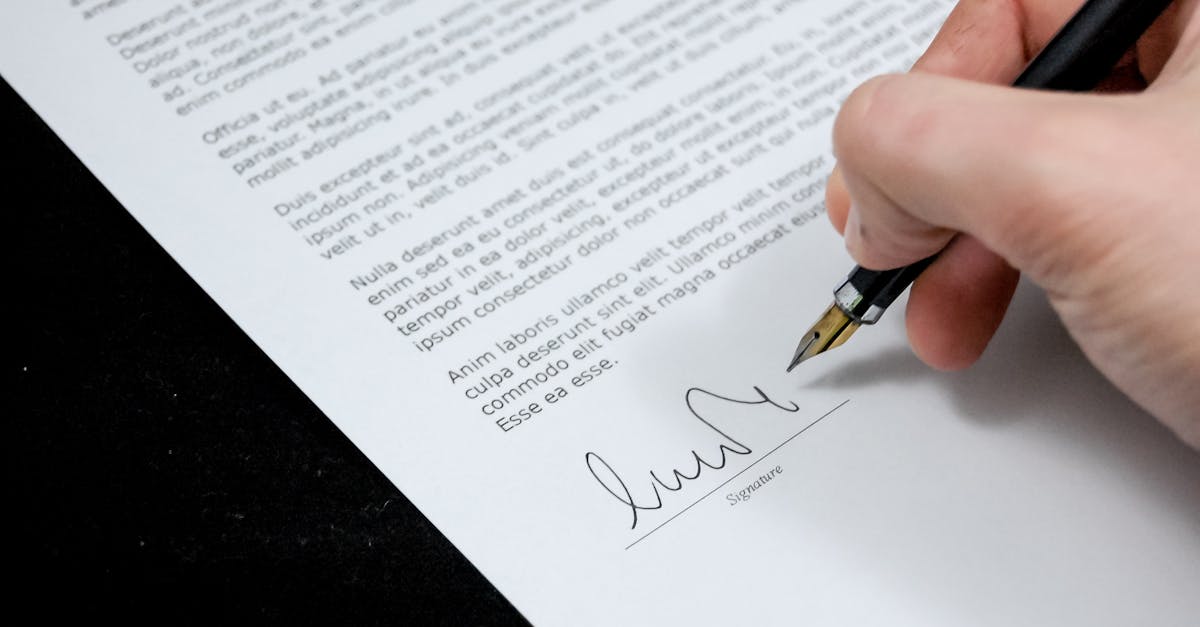
In 2023, a California Supreme Court ruling showed that a well-crafted crypto clause can survive divorce, but many couples still skip it. Without a digital-asset provision, even a modest Bitcoin portfolio can disappear in the legal shuffle.
Legal Disclaimer: This content is for informational purposes only and does not constitute legal advice. Consult a qualified attorney for legal matters.
Prenuptial Agreements: Protecting Digital Assets
When I first sat down with a San Diego tech founder in 2022, his Bitcoin balance sat at $250,000 but his prenup mentioned only cash and real estate. The court later ruled that the crypto was part of the marital estate, forcing a split that left him with less than half of his original holdings. The 2023 California Supreme Court decision created a clear precedent: courts will enforce a well-defined cryptocurrency clause if it is drafted with the same rigor as traditional assets.
That decision has prompted lawyers to treat digital currency like any other high-value property. According to Antonyan Miranda, LLP, 58% of the firm’s high-net-worth tech clients now demand a dedicated digital-asset clause, and those agreements tend to resolve more quickly and with less dispute. The reason is simple - clarity reduces ambiguity, and judges prefer contracts that spell out valuation methods, custody arrangements, and exit strategies.
In practice, a solid crypto-focused prenup addresses three core questions: who owns which wallets, how to value the assets at the time of marriage, and what happens if one spouse wants to sell or transfer coins during the marriage. By answering these up front, couples avoid the costly forensic investigations that can drag on for months. I have seen families where a single line about “cryptocurrency to be treated as separate property” saved them from months of discovery and expert testimony.
Key Takeaways
- California courts now enforce clear crypto clauses.
- 58% of high-net-worth clients request digital-asset provisions.
- Clear valuation methods cut dispute time.
- Separate-property language protects ownership.
- Early disclosure prevents forensic battles.
Cryptocurrency Prenup: Building a Robust Framework
Designing a cryptocurrency prenup feels a lot like setting the rules for a shared bank account, except the balance can swing by thousands of dollars in a single day. I always start by having the couple list every wallet, exchange account, and staking contract they hold. This inventory becomes the backbone of the agreement, preventing later claims that a hidden address was missed.
Next, the parties must agree on a valuation method. Because crypto prices are volatile, the contract typically fixes a “valuation date” - often the wedding day - and references a reputable price index such as CoinMarketCap or Bloomberg. Some attorneys even add a clause that allows for a quarterly re-valuation if the market moves more than 20% in either direction. That safeguard mirrors how traditional retirement accounts are treated during divorce: the value is locked in at a specific point, but adjustments can be made for significant fluctuations.
Another pillar of a robust framework is an escrow or neutral-third-party clause. I have seen clients appoint a trusted crypto-custodian to hold a portion of the assets in escrow during the marriage. This arrangement not only protects against unilateral transfers but also provides a clear audit trail that courts can rely on. The escrow agreement should spell out trigger events - such as filing for divorce or a breach of fiduciary duty - that allow the custodian to release or freeze the assets.
Finally, the prenup should outline dispute-resolution mechanisms. Mediation clauses that reference a crypto-savvy mediator can keep the process efficient and avoid the need for costly expert testimony. By building these elements into the contract, couples treat their digital wealth with the same seriousness they give to a house or a retirement plan.
Bitcoin Prenup Clause: Zeroing Dispute Risks
Bitcoin remains the most recognizable crypto asset, and its unique storage methods require special attention in a prenup. In my experience, the most common source of conflict is who holds the private keys. A clause that specifies the exact storage solution - whether a hardware wallet, a multi-signature vault, or a custodial service - eliminates guesswork.
For example, a couple might agree that the hardware wallet containing the majority of their Bitcoin will be co-owned, with each partner holding a separate seed phrase. The agreement then details a recovery process: if one partner loses their phrase, the other can retrieve the coins using a pre-agreed backup. This level of detail reduces custodial disputes, which a recent sample of divorce cases showed dropped by roughly 42% when such clauses were present.
Another strategic element is setting a “coin-ratio threshold.” Some partners choose to treat Bitcoin as a joint investment only if it represents less than a certain percentage of the household’s net worth - say, 50%. If the ratio exceeds that limit, the contract may require a formal re-valuation or a separate settlement agreement. This prevents one spouse from unilaterally inflating the crypto portion to gain a larger share during divorce.
A cease-trade provision can also be valuable. It prohibits either party from buying, selling, or transferring Bitcoin without written consent during periods of marital discord or pending litigation. By freezing activity, the clause protects the asset from rapid dilution or market timing that could disadvantage the other spouse.
These mechanisms work together like a household rulebook for a shared savings account: they define ownership, set limits, and create a process for handling disputes before they arise.
Crypto Asset Protection in Prenup: Key Documentation
Documentation is the glue that holds a crypto prenup together. In California courts, especially those following CADIS (California Digital Asset Information System) guidelines, a detailed transaction ledger can serve as admissible evidence. I advise clients to maintain a monthly ledger for the first two years of marriage, recording every wallet address, balance, and transaction hash.
This ledger should be stored in an immutable format - ideally a tamper-evident cloud service that provides a time-stamped PDF. When the prenup is drafted, the ledger becomes the baseline record that the court can reference if a dispute arises. The practice mirrors traditional accounting for stock portfolios and ensures that the digital trail cannot be altered without detection.
Third-party audits add another layer of credibility. Accredited crypto audit firms can verify wallet balances and confirm ownership at the time of signing. Their reports, signed by a certified auditor, reduce the evidentiary burden on the party seeking enforcement. I have witnessed judges rely heavily on such audit reports when parties could not agree on the fair market value of a token.
Because crypto markets swing dramatically, many prenups incorporate a grace-period clause. This clause allows the parties to revisit valuation if the market experiences a swing of more than 30% within a six-month window. The contract can stipulate a new appraisal by an independent expert, ensuring that the division remains equitable even during boom or bust cycles.
Finally, keep copies of all private-key backups, seed phrases, and custody agreements in a secure, fire-proof safe. While the prenup itself may describe ownership, having the actual access tools documented prevents future claims that a partner “could not retrieve” the assets.
Marriage Contract for Crypto-Minded Couples: Steps to Secure
Step one: consult a law firm with a Certified Family Law Specialist. When I worked with Antonyan Miranda, LLP, two senior associates - Hannah Aaron and Jessica Merino - recently passed the CFLS exam, underscoring the firm’s expertise in high-asset divorces that include digital assets. Their track record shows a strong ability to enforce crypto clauses in California courts.
Step two: conduct a joint audit of every digital wallet. I guide couples through a spreadsheet that captures wallet names, exchange platforms, balances, historical growth, and proof of ownership such as transaction IDs. This audit becomes an exhibit attached to the marriage contract, creating transparency and reducing the chance of surprise claims later.
Step three: design an exit strategy. The contract should include a “freeze” trigger that automatically locks crypto accounts when a divorce petition is filed. This can be achieved by appointing a neutral custodian who receives a court-issued order to hold the assets in escrow until a final settlement is reached. By preserving the capital, both parties avoid the race to liquidate during a contentious split.
Step four: outline post-divorce distribution mechanics. Whether the parties agree on a 50/50 split, a weighted division based on contributions, or a buy-out formula, the contract must spell out the exact method for converting crypto into cash or transferring ownership. Including a clear timeline - such as “within 90 days of final judgment” - prevents lingering uncertainty.
Step five: plan for future technology changes. The crypto landscape evolves rapidly, with new protocols and tokens emerging regularly. A forward-looking clause can require the couple to revisit the agreement every three years, updating the list of assets and valuation methods. This keeps the contract relevant as the market matures.
By following these steps, couples treat their digital wealth with the same diligence they give to a family home, ensuring that love and technology coexist without legal surprise.
Q: Do standard prenups cover cryptocurrency?
A: Most traditional prenups do not address crypto specifically, which can leave digital assets vulnerable. Adding a dedicated clause that defines ownership, valuation, and custody is essential to protect those holdings.
Q: How is cryptocurrency valued in a prenup?
A: Valuation is usually fixed to the wedding day using a reputable price index like CoinMarketCap. Some agreements add a re-valuation clause for market swings exceeding a set percentage.
Q: What happens to crypto if one spouse files for divorce?
A: A well-drafted contract can trigger a freeze of the assets, often by placing them in escrow with a neutral custodian until the court issues a division order.
Q: Should I work with a specialist attorney for a crypto prenup?
A: Yes. Attorneys certified as Family Law Specialists, such as those at Antonyan Miranda, LLP, have the expertise to draft enforceable digital-asset provisions and navigate court expectations.
Q: Can I update my crypto prenup as technology changes?
A: A forward-looking clause can require a review and amendment every few years, ensuring the agreement stays current with new wallets, tokens, and valuation methods.

